From Roman frontiers to a Danube capital
As your bus moves between Pest’s grand avenues and Buda’s historic slopes, centuries of ambition, reinvention, and everyday resilience come into focus.
Table of Contents
From Aquincum to a modern capital
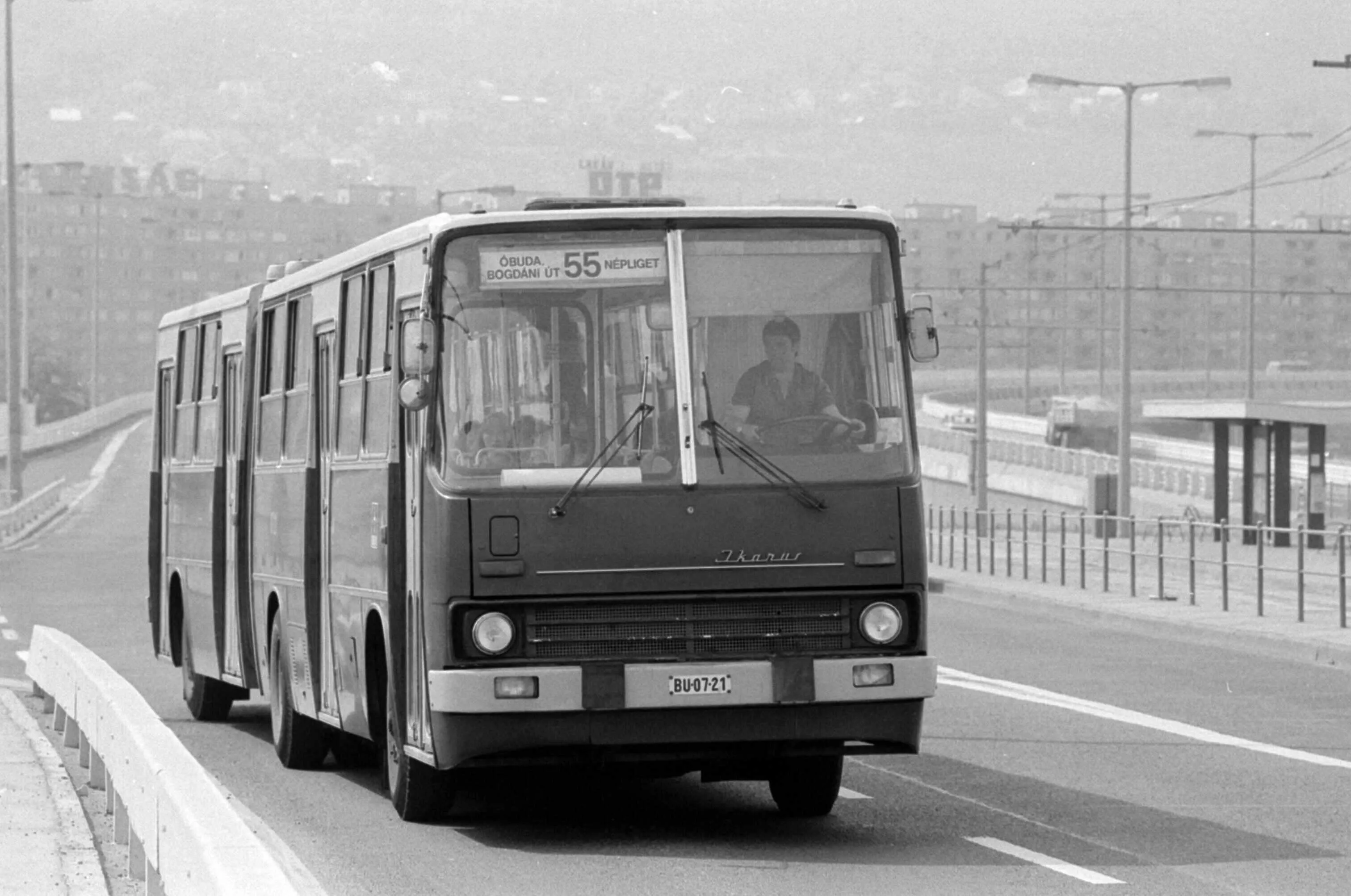
Long before elegant avenues, thermal hotels, and tram lines shaped today’s city, the region was a strategic Roman frontier settlement known as Aquincum. If you imagine your bus route as a timeline, its first chapter begins with forts, roads, and river control along the Danube, where soldiers, merchants, and families moved between provinces and markets. Over centuries, waves of migration, medieval kingdoms, and changing borders transformed this zone from imperial outpost into a place where trade and governance repeatedly reassembled themselves.
By the modern era, the distinct towns of Buda, Óbuda, and Pest had each formed strong urban identities: Buda with hills and courtly institutions, Pest with flatter land and commercial momentum, and Óbuda carrying echoes of older layers. Their eventual unification in the 19th century did not erase those differences—it organized them into one ambitious metropolitan idea. As your bus moves from one district to another, that layered origin remains visible everywhere: in street plans, architecture, and the subtle shift in atmosphere between riverbank, hill, and boulevard.
Buda Castle hill and royal power
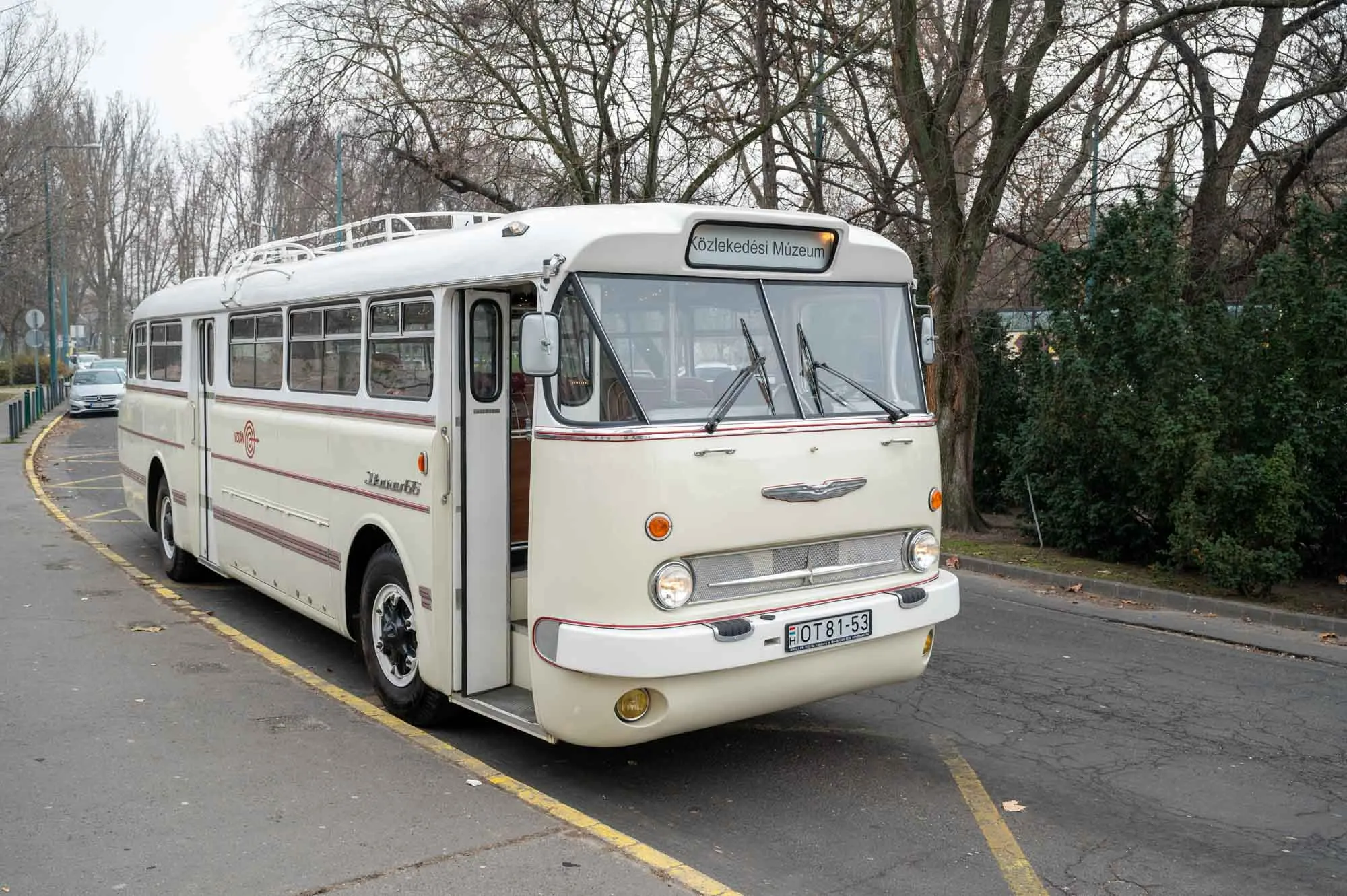
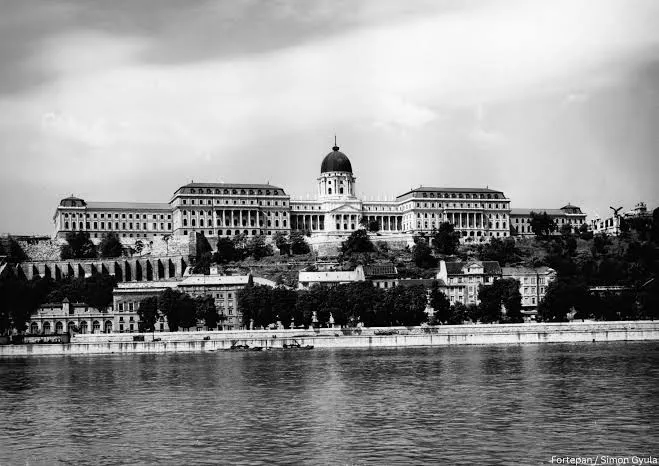
The Castle District is one of those places where stone seems to remember. As your route climbs or circles nearby viewpoints, you pass fortification lines, baroque façades, and courtyards that once framed royal ceremony, military planning, and administrative authority. Fires, sieges, and reconstructions repeatedly altered the hill, yet its commanding presence remained central to how Budapest imagined power and continuity.
Step off to wander lanes around Matthias Church and Fisherman’s Bastion, and you feel a textured blend of monumental and intimate: postcard panoramas on one side, quiet residential corners on the other. The district is not just a preserved backdrop—it is a lived neighborhood where tourism, heritage care, and local routines coexist. Returning to the bus afterward often sharpens the contrast with bustling Pest, making the city’s dual personality all the more fascinating.
Pest grows: trade, culture, and boulevards
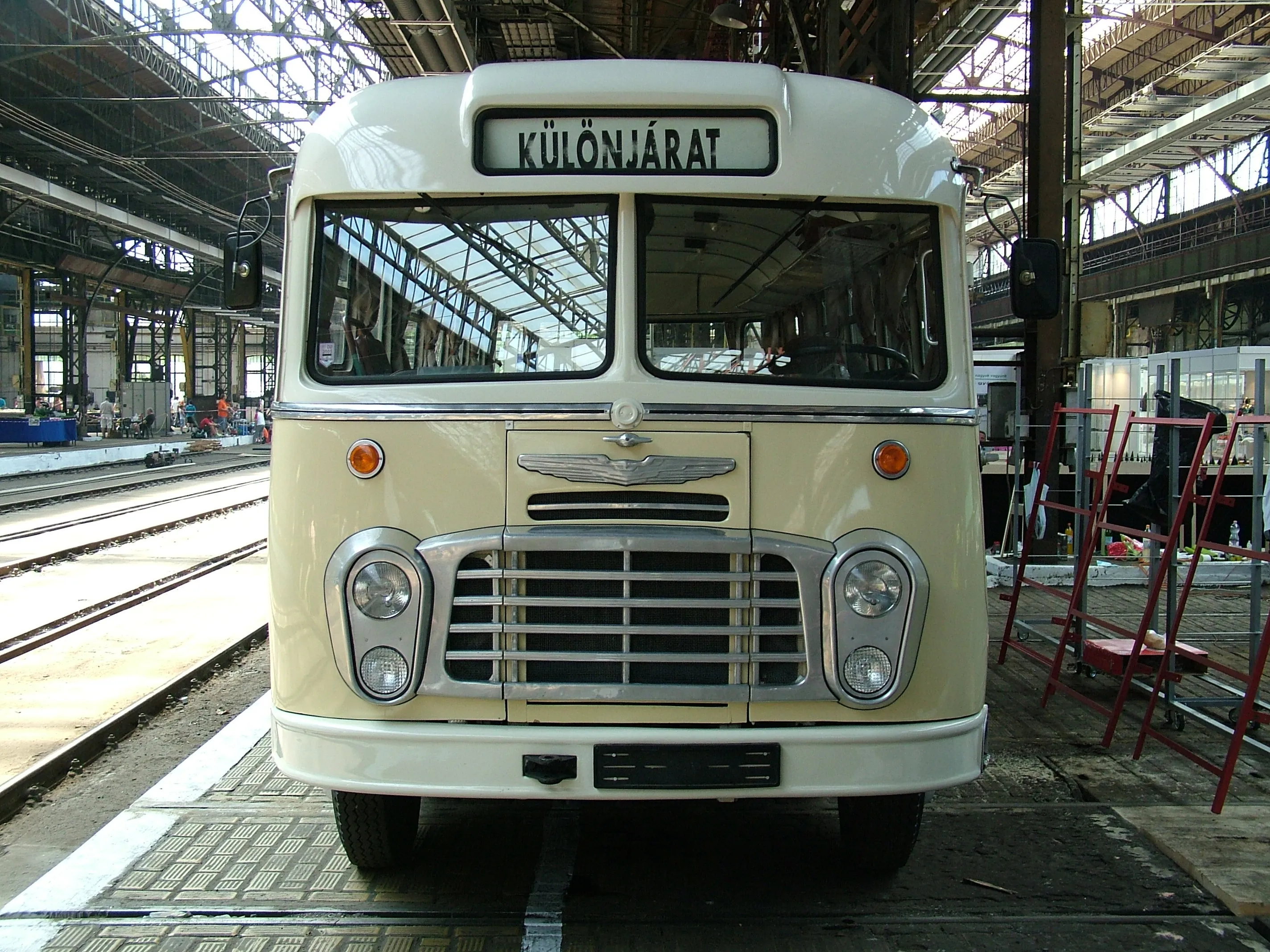
If Buda rises in stone and slope, Pest expands in lines and rhythm. During the 19th century, Pest surged as commerce, printing, finance, education, and civic ambition accelerated. Broad avenues, apartment palaces, theaters, and cafés emerged not only as infrastructure but as statements: this was a city ready to converse with Vienna, Paris, and beyond while keeping a distinctly Hungarian voice.
From the upper deck, you notice repeated motifs—ornate facades, corner domes, inner courtyards, and long sightlines that make orientation easy even for first-time visitors. Hop off near key squares and you can still sense the historical confidence of that expansion era, now layered with bookstores, design shops, university life, and everyday commuters moving through spaces once designed to symbolize progress.
The Danube bridges that stitched a city
Few urban images are as defining as Budapest’s bridges. Before permanent crossings became reliable, the river was both connector and obstacle, shaping trade and movement by season and weather. The Chain Bridge changed that logic dramatically, helping bind Buda and Pest into a functional whole and eventually supporting the political imagination that led to unification.
Today, crossing the Danube by bus still feels symbolic. In just minutes, architecture, elevation, and street tempo shift around you. Look one way and you catch formal riverfront facades; look the other and you see hills, castle silhouettes, and tram lines tracing the embankment. The bridges are not only transport structures—they are narrative hinges in the city’s identity.
Empire, parliament, and urban splendor
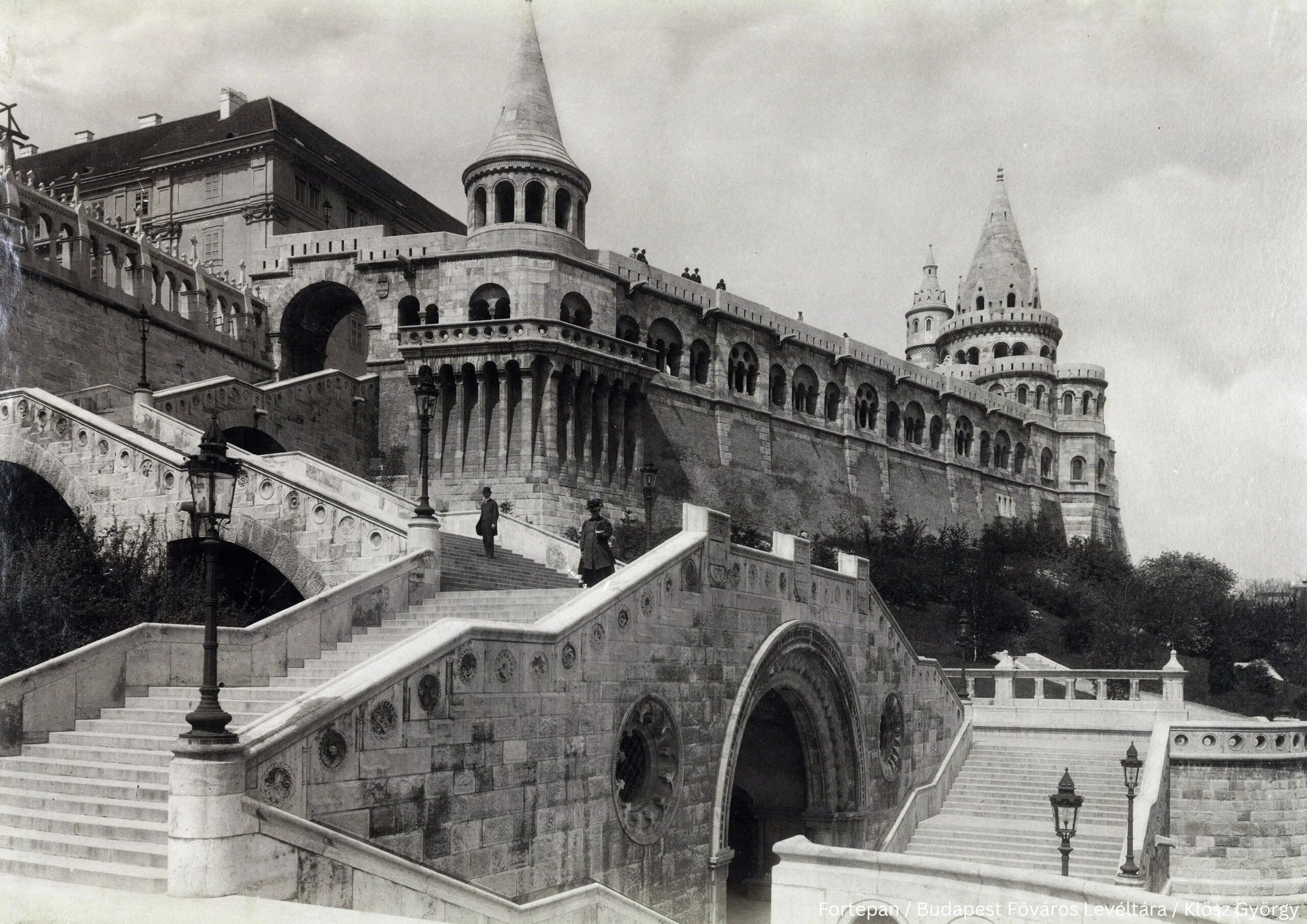
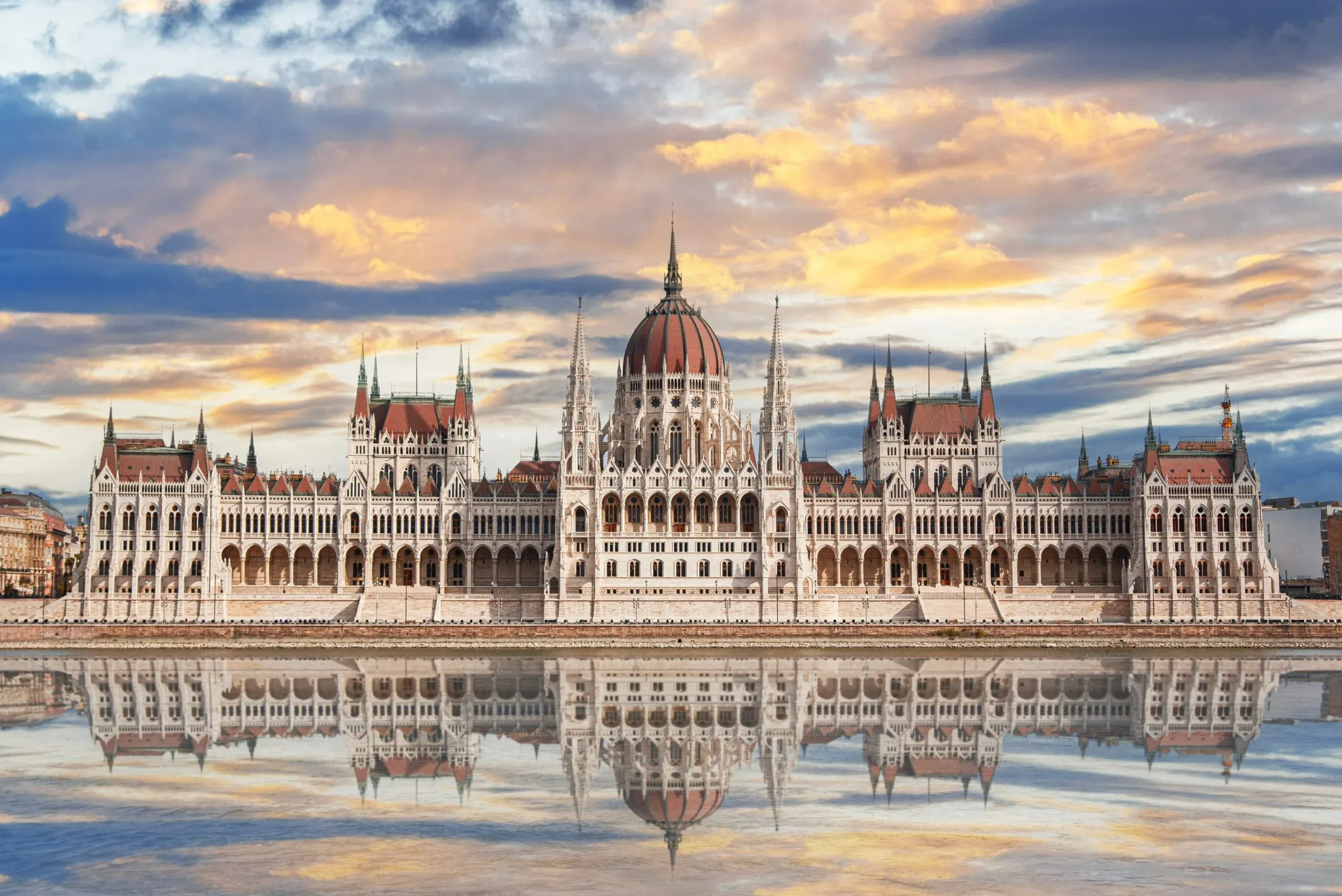
The Parliament building on the Pest riverbank is one of Europe’s great civic statements: theatrical in scale, intricate in detail, and intentionally visible from long distances. Its architecture speaks of aspiration, representation, and the desire to project stability through design. Nearby riverfront compositions and ceremonial routes reinforce that same vocabulary of public grandeur.
Riding past these landmarks by bus gives a useful perspective that walking alone sometimes fragments. You see how avenues align with institutions, how embankments frame monuments, and how the city used architecture to stage civic identity on an international level. It is history expressed not only in museums but in urban choreography.
War, occupation, and reconstruction
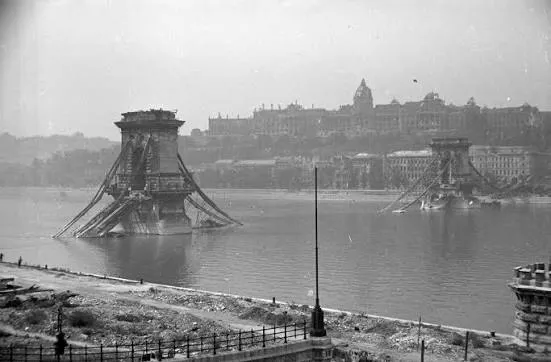
The 20th century brought severe rupture: war damage, political violence, and occupation left physical and emotional scars across districts on both sides of the river. Buildings were destroyed, communities were displaced, and public space acquired new layers of memory that still shape local consciousness.
Postwar reconstruction restored much of the skyline but not without complexity. Some areas were rebuilt faithfully, others reinterpreted, and still others transformed by later planning choices. As your bus route threads through central neighborhoods, you are seeing a city that rebuilt itself repeatedly—sometimes elegantly, sometimes pragmatically, always with visible traces of what came before.
1956 and the language of freedom
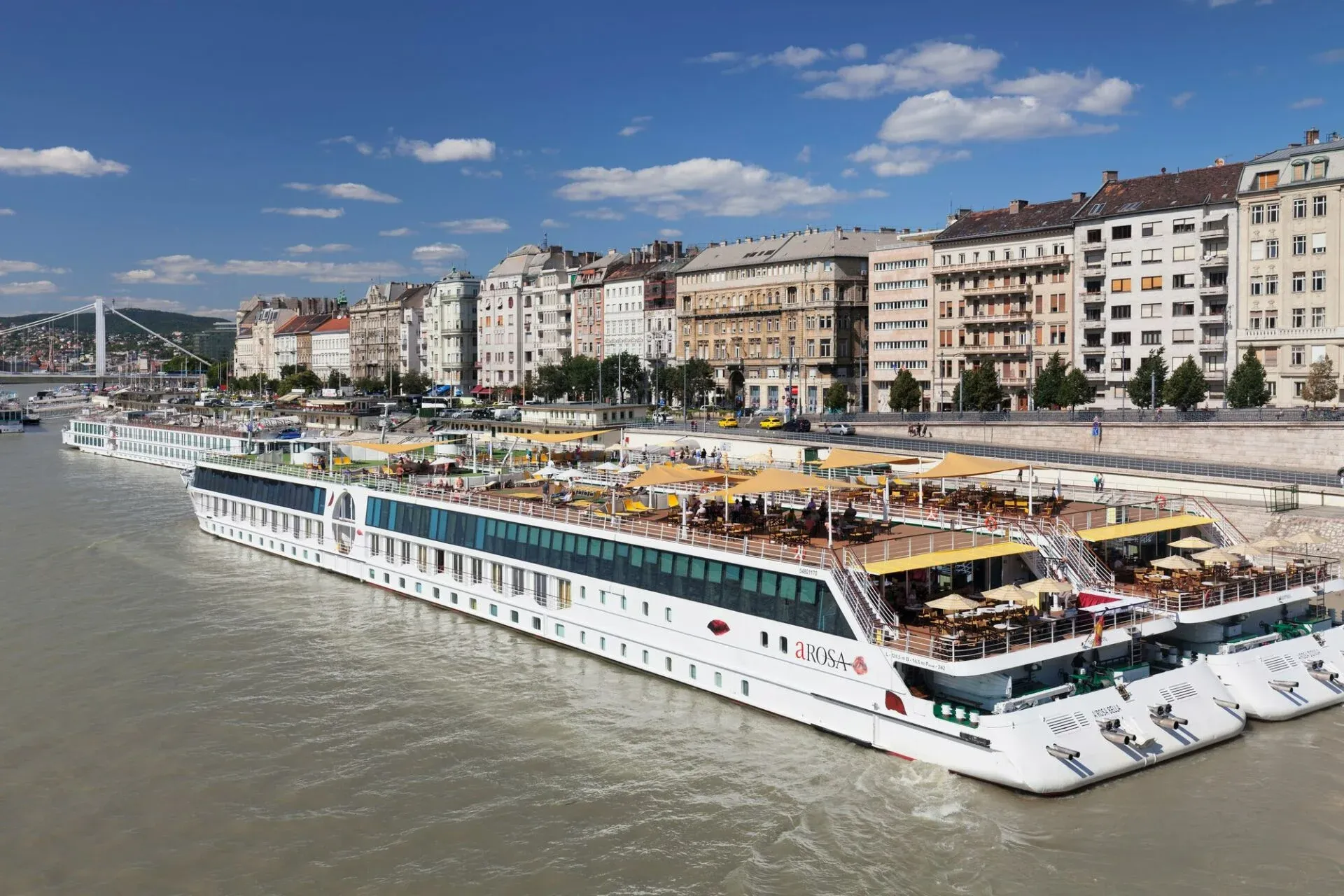
Budapest’s streets are inseparable from the events of 1956, when students, workers, and citizens demanded political freedom and national self-determination. The uprising and its suppression left deep marks in public memory, and many central locations you pass today were stages for protest, hope, fear, and extraordinary courage.
Even if the city now feels calm and cosmopolitan, that chapter remains audible in museums, monuments, plaques, and family stories. A hop-on hop-off route cannot tell every detail, but it can help you connect place to memory: a square is no longer just a junction, a facade no longer just decoration, once you understand what unfolded there.
Thermal baths and civic life
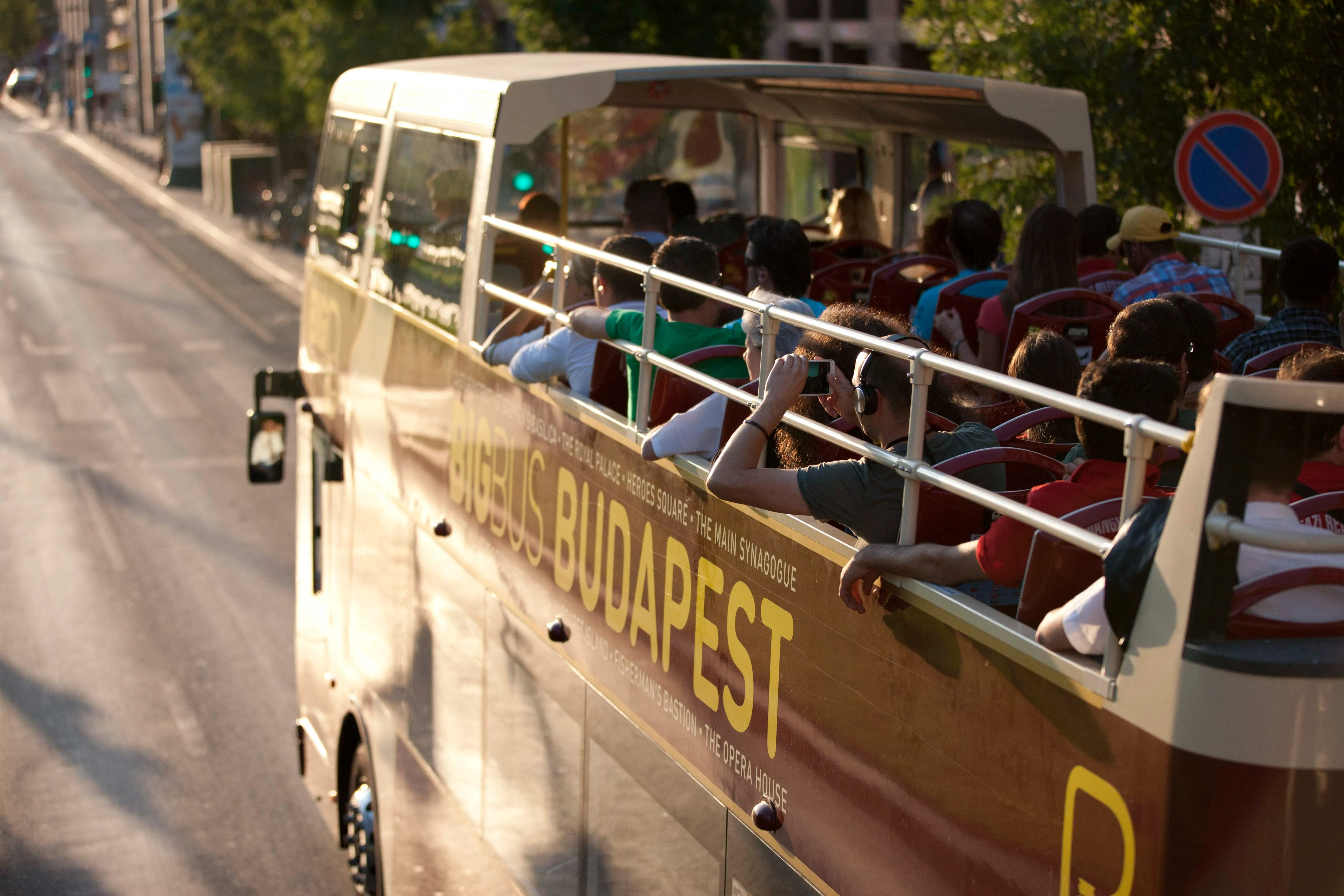
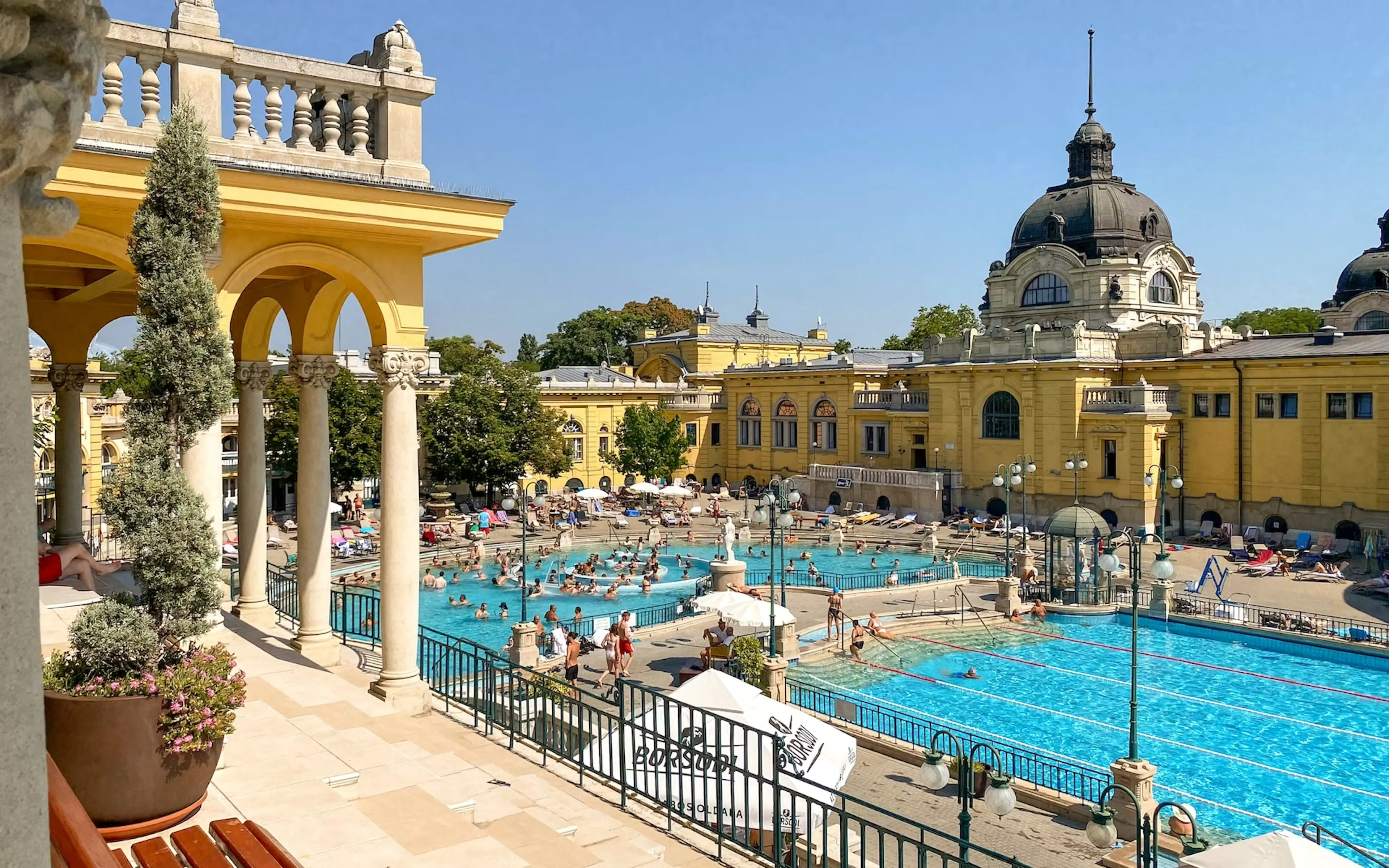
Budapest’s thermal culture is more than leisure—it is part of civic rhythm. Fed by abundant mineral springs, bathhouses became social institutions where architecture, health traditions, and daily routine meet. Ottoman-era influences, 19th-century expansions, and modern wellness culture all coexist in the city’s bathing landscape.
When your bus reaches bath districts near City Park or other thermal zones, it introduces a softer side of urban history: one built around restoration, conversation, and time spent slowly. For many visitors, hopping off for a bath visit creates a memorable contrast to museums and monuments, revealing how locals and travelers alike recharge in this city.
Jewish heritage and memory in Pest
Pest’s Jewish heritage is profound and multilayered, visible in synagogues, schools, courtyards, memorials, and cultural institutions that preserve centuries of community life. The district’s history includes periods of creativity and flourishing, alongside devastating chapters during the Holocaust that demand respectful remembrance.
Exploring this area after hopping off the bus offers a meaningful encounter with living culture and historical responsibility. You may find active prayer spaces, contemporary arts venues, and carefully maintained memory sites within short walking distances of one another. This coexistence of life and remembrance is one of Budapest’s most powerful urban lessons.
Markets, cafés, and everyday Budapest
Beyond headline landmarks, Budapest’s personality often appears in everyday rituals: morning market shopping, coffee at marble counters, afternoon pastries, tram transfers, and sunset walks along the river. The city’s market halls and neighborhood cafés translate history into daily practice—food traditions, social customs, and local cadence.
Using the bus as a flexible backbone helps you sample these experiences without rushing. Hop off for a market visit, rejoin for a museum district, then pause again for a riverside break. That rhythm—grand sight, ordinary moment, grand sight again—often creates the most authentic memory of all.
Night lights, music, and river rituals
As evening arrives, Budapest changes tone. Facades glow, bridges shine in sequence, and the river reflects architecture like a moving mirror. Music drifts from concert venues, bars, and open terraces, while locals and visitors gather along embankments to enjoy the city’s luminous calm.
If your ticket includes a late loop or paired cruise, this period can become the emotional highlight of your day. The same places you saw in full daylight gain a different narrative texture at night—less analytical, more atmospheric—reminding you that cities are not static objects but living performances across time.
Smart sightseeing and respectful travel
A little strategy transforms the experience: start early for popular landmarks, group nearby stops to reduce backtracking, and keep an eye on final departures. If you plan a bath visit, museum entry, or hill walk, build in buffer time so the day feels spacious rather than rushed.
Respectful travel matters too—follow local etiquette in religious sites, keep shared spaces clean, and support heritage institutions through official tickets when possible. Thoughtful choices help preserve the very atmosphere visitors come to enjoy, while also making your own day smoother and more rewarding.
Why a bus ride tells Budapest’s story
On paper, a hop-on hop-off pass is simply practical transport. In Budapest, it becomes a narrative thread linking Roman traces, royal hills, imperial avenues, revolutionary memory, thermal culture, and modern city life. In one continuous route, contrasts that might seem disconnected suddenly make sense together.
By day’s end, your understanding of Budapest is rarely just a list of sights checked off. It is a sequence of transitions: Pest to Buda, monument to neighborhood, history to present tense, river panorama to café conversation. That is why this ride can feel unexpectedly rich—it offers not only convenience, but a moving introduction to the city’s layered identity.
Table of Contents
From Aquincum to a modern capital
Long before elegant avenues, thermal hotels, and tram lines shaped today’s city, the region was a strategic Roman frontier settlement known as Aquincum. If you imagine your bus route as a timeline, its first chapter begins with forts, roads, and river control along the Danube, where soldiers, merchants, and families moved between provinces and markets. Over centuries, waves of migration, medieval kingdoms, and changing borders transformed this zone from imperial outpost into a place where trade and governance repeatedly reassembled themselves.
By the modern era, the distinct towns of Buda, Óbuda, and Pest had each formed strong urban identities: Buda with hills and courtly institutions, Pest with flatter land and commercial momentum, and Óbuda carrying echoes of older layers. Their eventual unification in the 19th century did not erase those differences—it organized them into one ambitious metropolitan idea. As your bus moves from one district to another, that layered origin remains visible everywhere: in street plans, architecture, and the subtle shift in atmosphere between riverbank, hill, and boulevard.
Buda Castle hill and royal power
The Castle District is one of those places where stone seems to remember. As your route climbs or circles nearby viewpoints, you pass fortification lines, baroque façades, and courtyards that once framed royal ceremony, military planning, and administrative authority. Fires, sieges, and reconstructions repeatedly altered the hill, yet its commanding presence remained central to how Budapest imagined power and continuity.
Step off to wander lanes around Matthias Church and Fisherman’s Bastion, and you feel a textured blend of monumental and intimate: postcard panoramas on one side, quiet residential corners on the other. The district is not just a preserved backdrop—it is a lived neighborhood where tourism, heritage care, and local routines coexist. Returning to the bus afterward often sharpens the contrast with bustling Pest, making the city’s dual personality all the more fascinating.
Pest grows: trade, culture, and boulevards
If Buda rises in stone and slope, Pest expands in lines and rhythm. During the 19th century, Pest surged as commerce, printing, finance, education, and civic ambition accelerated. Broad avenues, apartment palaces, theaters, and cafés emerged not only as infrastructure but as statements: this was a city ready to converse with Vienna, Paris, and beyond while keeping a distinctly Hungarian voice.
From the upper deck, you notice repeated motifs—ornate facades, corner domes, inner courtyards, and long sightlines that make orientation easy even for first-time visitors. Hop off near key squares and you can still sense the historical confidence of that expansion era, now layered with bookstores, design shops, university life, and everyday commuters moving through spaces once designed to symbolize progress.
The Danube bridges that stitched a city
Few urban images are as defining as Budapest’s bridges. Before permanent crossings became reliable, the river was both connector and obstacle, shaping trade and movement by season and weather. The Chain Bridge changed that logic dramatically, helping bind Buda and Pest into a functional whole and eventually supporting the political imagination that led to unification.
Today, crossing the Danube by bus still feels symbolic. In just minutes, architecture, elevation, and street tempo shift around you. Look one way and you catch formal riverfront facades; look the other and you see hills, castle silhouettes, and tram lines tracing the embankment. The bridges are not only transport structures—they are narrative hinges in the city’s identity.
Empire, parliament, and urban splendor
The Parliament building on the Pest riverbank is one of Europe’s great civic statements: theatrical in scale, intricate in detail, and intentionally visible from long distances. Its architecture speaks of aspiration, representation, and the desire to project stability through design. Nearby riverfront compositions and ceremonial routes reinforce that same vocabulary of public grandeur.
Riding past these landmarks by bus gives a useful perspective that walking alone sometimes fragments. You see how avenues align with institutions, how embankments frame monuments, and how the city used architecture to stage civic identity on an international level. It is history expressed not only in museums but in urban choreography.
War, occupation, and reconstruction
The 20th century brought severe rupture: war damage, political violence, and occupation left physical and emotional scars across districts on both sides of the river. Buildings were destroyed, communities were displaced, and public space acquired new layers of memory that still shape local consciousness.
Postwar reconstruction restored much of the skyline but not without complexity. Some areas were rebuilt faithfully, others reinterpreted, and still others transformed by later planning choices. As your bus route threads through central neighborhoods, you are seeing a city that rebuilt itself repeatedly—sometimes elegantly, sometimes pragmatically, always with visible traces of what came before.
1956 and the language of freedom
Budapest’s streets are inseparable from the events of 1956, when students, workers, and citizens demanded political freedom and national self-determination. The uprising and its suppression left deep marks in public memory, and many central locations you pass today were stages for protest, hope, fear, and extraordinary courage.
Even if the city now feels calm and cosmopolitan, that chapter remains audible in museums, monuments, plaques, and family stories. A hop-on hop-off route cannot tell every detail, but it can help you connect place to memory: a square is no longer just a junction, a facade no longer just decoration, once you understand what unfolded there.
Thermal baths and civic life
Budapest’s thermal culture is more than leisure—it is part of civic rhythm. Fed by abundant mineral springs, bathhouses became social institutions where architecture, health traditions, and daily routine meet. Ottoman-era influences, 19th-century expansions, and modern wellness culture all coexist in the city’s bathing landscape.
When your bus reaches bath districts near City Park or other thermal zones, it introduces a softer side of urban history: one built around restoration, conversation, and time spent slowly. For many visitors, hopping off for a bath visit creates a memorable contrast to museums and monuments, revealing how locals and travelers alike recharge in this city.
Jewish heritage and memory in Pest
Pest’s Jewish heritage is profound and multilayered, visible in synagogues, schools, courtyards, memorials, and cultural institutions that preserve centuries of community life. The district’s history includes periods of creativity and flourishing, alongside devastating chapters during the Holocaust that demand respectful remembrance.
Exploring this area after hopping off the bus offers a meaningful encounter with living culture and historical responsibility. You may find active prayer spaces, contemporary arts venues, and carefully maintained memory sites within short walking distances of one another. This coexistence of life and remembrance is one of Budapest’s most powerful urban lessons.
Markets, cafés, and everyday Budapest
Beyond headline landmarks, Budapest’s personality often appears in everyday rituals: morning market shopping, coffee at marble counters, afternoon pastries, tram transfers, and sunset walks along the river. The city’s market halls and neighborhood cafés translate history into daily practice—food traditions, social customs, and local cadence.
Using the bus as a flexible backbone helps you sample these experiences without rushing. Hop off for a market visit, rejoin for a museum district, then pause again for a riverside break. That rhythm—grand sight, ordinary moment, grand sight again—often creates the most authentic memory of all.
Night lights, music, and river rituals
As evening arrives, Budapest changes tone. Facades glow, bridges shine in sequence, and the river reflects architecture like a moving mirror. Music drifts from concert venues, bars, and open terraces, while locals and visitors gather along embankments to enjoy the city’s luminous calm.
If your ticket includes a late loop or paired cruise, this period can become the emotional highlight of your day. The same places you saw in full daylight gain a different narrative texture at night—less analytical, more atmospheric—reminding you that cities are not static objects but living performances across time.
Smart sightseeing and respectful travel
A little strategy transforms the experience: start early for popular landmarks, group nearby stops to reduce backtracking, and keep an eye on final departures. If you plan a bath visit, museum entry, or hill walk, build in buffer time so the day feels spacious rather than rushed.
Respectful travel matters too—follow local etiquette in religious sites, keep shared spaces clean, and support heritage institutions through official tickets when possible. Thoughtful choices help preserve the very atmosphere visitors come to enjoy, while also making your own day smoother and more rewarding.
Why a bus ride tells Budapest’s story
On paper, a hop-on hop-off pass is simply practical transport. In Budapest, it becomes a narrative thread linking Roman traces, royal hills, imperial avenues, revolutionary memory, thermal culture, and modern city life. In one continuous route, contrasts that might seem disconnected suddenly make sense together.
By day’s end, your understanding of Budapest is rarely just a list of sights checked off. It is a sequence of transitions: Pest to Buda, monument to neighborhood, history to present tense, river panorama to café conversation. That is why this ride can feel unexpectedly rich—it offers not only convenience, but a moving introduction to the city’s layered identity.